stay firesafe
History of Mill Creek Canyon
For nearly a third of a century, Mill Creek served as one of the region’s most reliable timber sources. The creek provided a steady water supply year-round, never drying up in the summer and rarely freezing enough in winter to interrupt mill operations. Beattie referenced an 1856 San Francisco newspaper article reporting that four of the six water-powered mills in the mountains north of San Bernardino stood idle from June through December because of insufficient water, while Mill Creek continued operating.
Early lumbering practices, however, were extremely wasteful. Woodsmen typically harvested only the finest trees and used only the most desirable portions of the timber, leaving the rest to decay or be burned into charcoal. Shingle mills were especially inefficient, often using only the straightest sections of each log.
Sources: George William Beattie, Heritage of the Valley, pp. 194, 210.
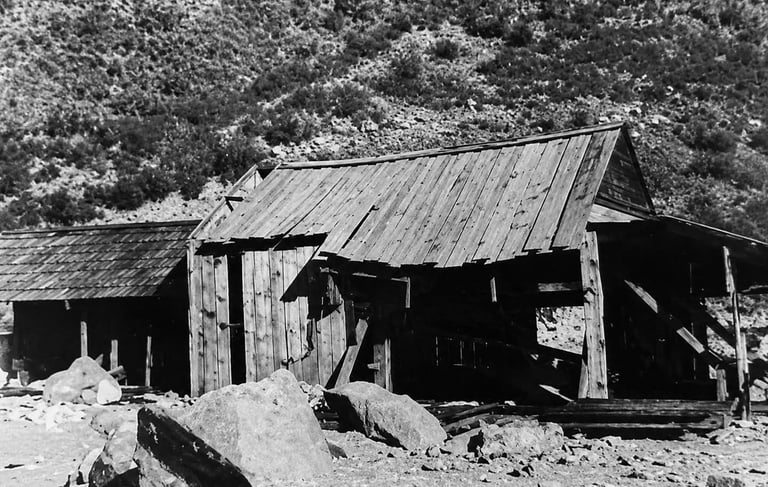
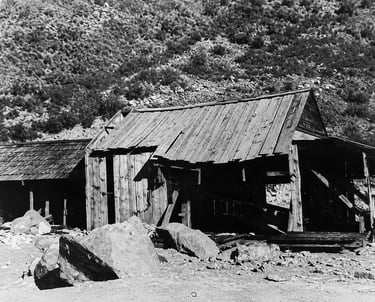
The mill that gave Mill Creek Canyon its name was the first sawmill established in the San Bernardino Mountains.
Over the years, the mill became known by several different names. Louis Vignes leased the land from the Mexican government where the mill was built, while Daniel Sexton operated it, leading many to refer to it as the Vignes-Sexton Mill. Because Louis Vignes lived at the Aliso vineyard in Los Angeles and was commonly known as “Old Don Aliso,” the mill was also sometimes called the Aliso Mill. Later, when Isaac Williams purchased the operation and managed it from the Chino Ranch, it became known to some as the Chino Mill.
The exact location of the original Vignes-Sexton Mill has never been confirmed. Historian George William Beattie believed it was likely located near the mouth of the canyon, since no road yet existed to reach the higher timberlands when Lyman, Rich, and Thorpe began constructing another mill farther upstream in 1853.
Address
Mill Creek Canyon fire Safe Council
FireSafe38.org
PO Box 737
Forest Falls, CA 92339
© 2024-2026 Mill Creek Canyon Fire Safe Council, DBA FireSafe38.org • Serving Forest Falls & Mountain Home Village